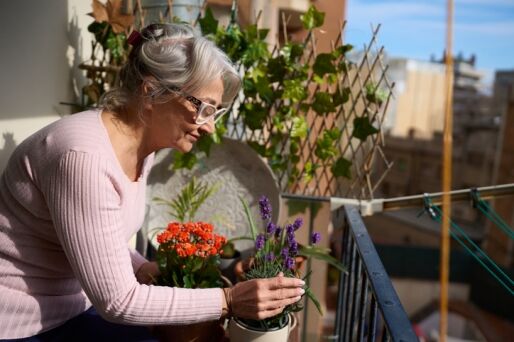
Quick Summary: Container gardening allows seniors to enjoy the therapeutic benefits of growing plants without the strain of maintaining a traditional garden bed. This practical guide covers essential techniques for selecting pots, choosing low-maintenance plants, and ensuring proper drainage in small outdoor spaces. Discover how easy-to-care-for patio planters can bring beauty and fresh herbs directly to your doorstep.
For many people, a garden is more than a hobby. It’s a source of peace, purpose, and pride. The rhythm of planting, tending, and watching something bloom is deeply satisfying. So when the idea of moving to a senior living community comes up, one of the first questions garden lovers ask is: Will I have to give that up?
The answer is no! Whether you have a patio, a balcony, a sunny windowsill, or access to shared green space, container gardening makes it possible to grow a thriving garden virtually anywhere. At Meadow Lakes, a Springpoint Life Plan Community set on 103 wooded acres in East Windsor, NJ, residents find that nature is never far away.
Here’s your guide to getting started.
What Is Container Gardening and Why Is It Perfect for Smaller Spaces?
Container gardening is exactly what it sounds like: growing plants in pots, planters, window boxes, raised beds, or any vessel that holds soil. It’s one of the most accessible and rewarding forms of small-space gardening because it puts you in complete control. You choose what grows, where it lives, and how it’s arranged.
Unlike traditional in-ground gardening, containers can be moved to follow the sun, rearranged to create visual interest, and managed without kneeling or heavy digging. That makes it an ideal approach for gardeners of all ability levels, and a wonderful way to stay connected to the rhythms of the seasons without the physical demands of a full yard.
The Best Plants for Containers: Herbs, Flowers, and Vegetables
Choosing the right plants is the foundation of a successful container garden. Here are some of the best plants for containers to consider:
- Herbs: Basil, rosemary, mint, thyme, and parsley all thrive in pots and have the added bonus of being useful in the kitchen. A small cluster of herb containers on a patio or windowsill can be both beautiful and functional.
- Flowers: Petunias, geraniums, marigolds, and impatiens are tried-and-true container favorites. They’re colorful, relatively low-maintenance, and bloom for long stretches of the season. Lavender also grows well in containers and brings a lovely fragrance.
- Tomatoes and Peppers: Many compact vegetable varieties are bred specifically for container growing. Cherry tomatoes, mini peppers, and dwarf cucumbers can all produce a real harvest on a sunny patio.
- Succulents and Greenery: For those who prefer lower-maintenance options, succulents, ferns, and trailing ivy create lush, beautiful containers with minimal fuss.
The key is to match your plant to your light conditions. Most flowering plants and vegetables need at least six hours of direct sun per day, while many herbs and ferns can get by with less.
Beginner Gardening Tips to Set You Up for Success
New to container gardening or returning to it after a break? These beginner gardening tips will help you get started with confidence:
- Start small. It’s tempting to fill every surface with pots, but beginning with two or three containers lets you learn what works before expanding. A single large pot with a combination of a thriller (a tall, dramatic plant), a filler (a mounding plant), and a spiller (a trailing plant) can be stunning on its own.
- Invest in good potting mix. Garden soil from the ground is too dense for containers. A quality potting mix provides the drainage and aeration that container plants need to thrive. Look for mixes that include perlite or vermiculite.
- Don’t neglect watering. Container plants dry out more quickly than in-ground plants, especially in warm weather. Check your pots daily during summer and water when the top inch of soil feels dry. Adding a saucer underneath the pot helps retain moisture.
- Feed regularly. Because containers are watered so frequently, nutrients wash out of the soil over time. A slow-release fertilizer worked into the soil at the start of the season, supplemented with a liquid feed every few weeks, keeps plants healthy and productive.
- Deadhead spent blooms. Removing faded flowers encourages plants to keep producing new ones, extending your garden’s season.
The Joy of Community Gardening
One of the unexpected gifts of community living is the opportunity to garden alongside others. A community garden brings neighbors together around a shared love of growing things. The results are often far more vibrant than what any one person could create alone. Gardeners swap seeds, share tips, admire each other’s progress, and swap a tomato or two come harvest time.
At Meadow Lakes, the natural landscape itself is a source of ongoing wonder. The community is home to the accredited Robert A. Winters Arboretum, where residents can walk among mature trees and flowering plants throughout the seasons. It’s the kind of environment that inspires gardeners and reminds everyone that nurturing living things is one of life’s most lasting pleasures.
Growing Your Garden at Meadow Lakes
Staying active, pursuing hobbies, and maintaining connections to the natural world are all hallmarks of a fulfilling life. These things don’t stop when you move to a senior living community. In fact, they often deepen.
Meadow Lakes residents find no shortage of ways to stay engaged year-round. And for those interested in cultural and educational programs, the community regularly offers opportunities to learn, explore, and share.
Gardening fits naturally into all of that. A container of herbs on your patio becomes a conversation starter. A window box of petunias brightens your space and the view from outside it. A pot of tomatoes grown from seed connects you to something patient and hopeful.
You don’t need a backyard to be a gardener. You just need a little soil, a little sun, and the willingness to begin.
Curious about life at Meadow Lakes? We’d love to show you around. Schedule a visit and discover a community where nature, wellness, and vibrant living come together.


