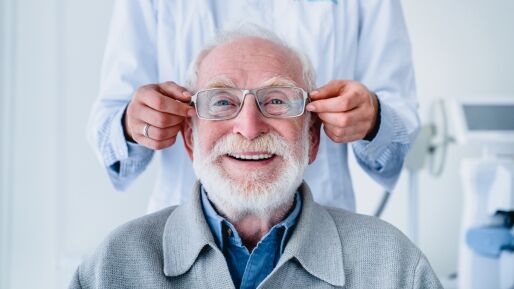
Quick Summary: Taking care of your eye health is an important part of senior wellness. While age-related vision changes can affect reading, night driving, and adjusting to different lighting, vision loss isn’t something you should automatically attribute to getting older. Regular eye exams, healthy daily habits, and knowing the signs of vision loss can help you take a proactive approach to protecting your vision.
As we get older, our eyes naturally change. You might find yourself reaching for reading glasses more often or needing brighter light to see small print. These changes are common, but they’re not the whole story. Taking care of your eye health can help you maintain your independence, enjoy your favorite activities, and support your overall senior wellness.
At Meadow Lakes, we believe wellness encompasses many parts of life. Our LivWell wellness program takes a whole-person approach, and vision care is another important way to look after your well-being.
Understanding Age-Related Vision Changes
Some age-related vision changes happen gradually and are a normal part of getting older. For example, you may notice that reading small print becomes more difficult, glare from headlights feels stronger, or it takes longer for your eyes to adjust when moving between bright and dim spaces.
Other changes can be related to eye conditions that become more common with age, including:
- Cataracts: Clouding of the eye’s lens that can cause blurry vision, glare, or faded colors.
- Glaucoma: A group of conditions that damage the optic nerve and can lead to vision loss. Early stages often have no noticeable symptoms.
- Age-related macular degeneration (AMD): A condition affecting central vision, which is important for tasks such as reading and recognizing faces.
- Diabetic retinopathy: Damage to blood vessels in the retina that can occur in people with diabetes.
- Dry eye: A condition that may cause burning, irritation, redness, or a gritty feeling.
It’s important to remember that vision loss isn’t an inevitable part of aging. Many eye conditions can be managed, and early detection may help protect your sight. The American Academy of Ophthalmology’s guide offers more information about common changes and the importance of routine care.
Everyday Habits for Protecting Your Vision
You can’t prevent every eye condition, but small, consistent habits can support your eye health and help you stay comfortable throughout the day.
1. Make Regular Eye Exams a Priority
Routine eye exams do more than check whether you need a new glasses prescription. A comprehensive exam can help an eye care professional identify conditions that may not cause symptoms in their early stages.
The right schedule depends on your age, health, family history, and individual risk factors. Many adults aged 65 and older benefit from comprehensive eye exams every 1 to 2 years, though some may need them more frequently. Ask your eye care professional how often you should be examined, and don’t wait for your next appointment if you notice a new problem.
2. Eat for Eye Health
A balanced diet supports your overall health, including your eyes. Leafy greens, colorful vegetables, fruit, fish, nuts, and other nutrient-rich foods can contribute to a healthy eating pattern. If you have questions about supplements for your eyes, talk with your health care professional before adding them to your routine.
3. Protect Your Eyes From the Sun
Ultraviolet (UV) exposure can contribute to eye damage over time. When spending time outdoors, wear sunglasses that block 99% to 100% of UVA and UVB rays. A wide-brimmed hat can provide additional protection.
At Meadow Lakes, our scenic grounds and accredited arboretum offer opportunities to enjoy nature throughout the seasons. Whether you’re taking a leisurely stroll or relaxing outdoors, make sun protection part of your routine.
4. Make Reading and Everyday Tasks Easier
Good lighting can make a noticeable difference when reading, cooking, crafting, or working on a hobby. Try these simple adjustments:
- Use a well-positioned lamp for reading and close-up tasks.
- Increase text size on phones, tablets, and computers.
- Keep glasses clean and use the correct prescription.
- Reduce glare from windows and overhead lights when possible.
- Take regular breaks during extended screen time.
These adjustments can make everyday activities more comfortable, especially if your eyes tire easily.
5. Pay Attention to Your Overall Health
Conditions such as diabetes and high blood pressure can affect your eyes. Managing these conditions with guidance from your health care team is an important part of protecting your vision. Avoid smoking, too, since it increases the risk of several eye diseases.
Know the Signs of Vision Loss
Changes in eyesight don’t always happen suddenly. You might notice that reading is becoming harder, colors look less vivid, or you have more difficulty seeing in low light. You may also experience persistent blurry vision, trouble recognizing faces, or a gradual change in your side vision.
These can be signs of vision loss or other eye problems that deserve professional attention. Schedule an eye care appointment if you notice a new or worsening change, even if it doesn’t seem severe. Some conditions progress without obvious early warning signs, which is another reason regular exams matter.
Seek urgent medical attention for sudden vision loss or a sudden change in vision. New flashes of light, a sudden increase in floaters, or a shadow or curtain across your field of vision can signal a serious problem that needs immediate evaluation.
Don’t assume a change is simply part of getting older. When it comes to your eyesight, it’s better to ask questions and get checked.
Make Eye Health Part of Your Senior Wellness Routine
Good vision can help you continue enjoying the activities, relationships, and experiences that make life rewarding. Along with regular eye exams, simple daily habits can help you feel more confident about caring for your eyes.
At Meadow Lakes, our approach to senior wellness recognizes that well-being involves more than physical fitness. Our LivWell program supports seven dimensions of wellness, including physical, intellectual, emotional, social, environmental, spiritual, and vocational well-being. Whether you’re participating in a fitness class, exploring our arboretum, or connecting with friends, our wellness opportunities are designed to support an engaging lifestyle.
Your eyesight deserves the same thoughtful attention as the other parts of your health. Keep up with routine eye exams, speak with an eye care professional about any changes you notice, and make small adjustments to help you see more comfortably.
Contact us today to schedule a tour and discover how life at Meadow Lakes can support your well-being through every season.


